Manufacturing Reliability Behind Every Metal Identification Product
Custom metal nameplates, emblems, labels, and metal cards are often used in environments where durability, readability, and consistency are essential.
At Himgo, manufacturing reliability is built through controlled production processes, stable material sourcing, and quality verification at every stage of production.
This section explains how our manufacturing systems support long-term production stability for OEM customers and brand manufacturers.
Manufacturing for Precision Metal Identification Products
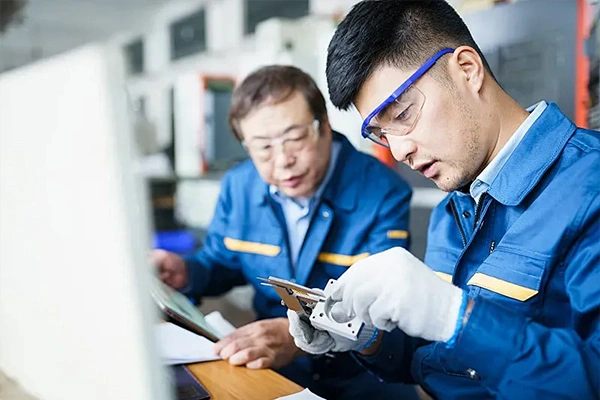
Himgo focuses on the manufacturing of precision metal identification components used in equipment labeling, product branding, and industrial identification.
Typical products manufactured include:
- Custom metal nameplates
- Metal labels for equipment and industrial products
- Metal car emblems and branding badges
- Metal logo plates for consumer products
- Custom metal cards for financial and brand applications
These products often require stable dimensional control, durable surface finishes, and consistent production quality across repeated manufacturing runs.
Our manufacturing environment is designed to support these requirements through process control, engineering review, and standardized quality verification.
Manufacturing Capabilities
Himgo supports multiple metal identification manufacturing methods depending on product structure, material requirements, and visual finish expectations.
Typical manufacturing capabilities include:
- Chemical etching for precision metal nameplates and labels
- Die casting for three-dimensional metal emblems
- CNC engraving and laser engraving for permanent markings
- Stamping and forming for structural metal components
- Surface finishing including anodizing, electroplating, and brushing
Each production method is selected based on the functional and visual requirements of the final product.
Explore Manufacturing Capabilities →Production Processes for Metal Identification Components
Different metal identification products require different manufacturing processes.
For example:
Chemical etching is often used when fine detail and permanent markings are required for metal nameplates or industrial labels.
Die casting is typically used for automotive badges and three-dimensional brand emblems where depth and structural strength are required.
Surface finishing processes such as anodizing or electroplating are then applied to achieve the desired appearance and corrosion resistance.
Understanding the relationship between product structure and manufacturing process is an important part of project feasibility evaluation.
This helps reduce variation and ensures approved standards are maintained.
View Manufacturing Processes →Quality Management in Metal Identification Production
Quality control is critical in metal identification manufacturing because many applications require long-term readability and consistent visual appearance.
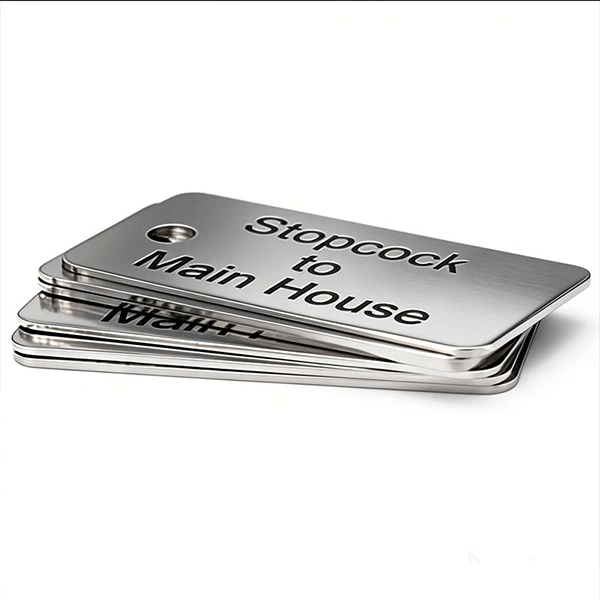
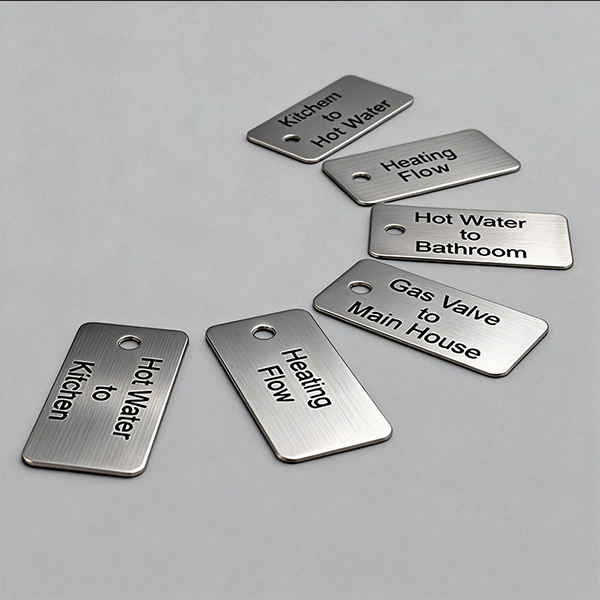
Quality verification in our production environment typically includes:
- Incoming material verification
- Dimensional inspection during production
- Surface finish inspection
- Adhesion and durability testing when applicable
- Final product inspection before shipment
These verification steps help ensure that products delivered to customers remain consistent across multiple production batches.
Learn about Quality Management →
Consistency Across Production Batches
Many OEM customers require metal identification components to be reproduced consistently over multiple production cycles.
Consistency is supported through:
- Controlled material sourcing
- Stable process parameters
- Sample approval before production
- Production documentation for repeat orders
These practices help ensure that the appearance, dimensions, and surface finish of metal identification products remain consistent even across long-term supply programs.
Material Control and Supply Stability
Material selection plays an important role in both product durability and production consistency.
Common materials used in metal identification products include:
- Aluminum alloys
- Stainless steel
- Brass and copper alloys
- Zinc alloy for die-cast embl
Stable supply of these materials helps maintain consistent production performance across different batches and projects.
Material verification is performed before entering the production process to ensure conformity with project requirements.
Supporting Customer Audits and Compliance Requirements
For customers in regulated industries or structured supply chains, supplier evaluation is often part of the procurement process.
Himgo supports customer audit and supplier verification processes by providing:
- manufacturing process documentation
- quality control records
- production traceability information
- product inspection reports
These documents help customers evaluate production capability and verify manufacturing consistency when required.
Inside the Manufacturing Facility
Manufacturing capability is best understood through real production environments.
Our facility includes dedicated areas for:
- metal etching production
- die casting and forming processes
- surface finishing and plating
- product inspection and quality verification
- packaging and shipment preparation
A detailed overview of the manufacturing facility, equipment, and production environment can be explored in the facility page.
Explore the Manufacturing Facility →Frequently Asked Questions
What manufacturing processes does Himgo use for metal identification products?
Typical processes include chemical etching for precision nameplates, die casting for three-dimensional emblems, stamping and engraving for metal plates, and various surface finishing methods such as anodizing and electroplatin
How does Himgo ensure consistent production quality?
Production consistency is supported through controlled material sourcing, process documentation, sample approval procedures, and quality inspection during and after production.
Can Himgo support long-term OEM production programs?
Yes. Many customers require repeated production of the same metal identification components over time. Production documentation and process control help maintain consistency across batches.
What information is needed to evaluate a manufacturing project?
Customers typically provide a logo file, technical drawing, required material, finish expectations, and estimated production quantity. This information allows an engineering review of manufacturing feasibility.
Let’s Build a Reliable Manufacturing Partnership
If you’re looking for a manufacturing service partner focused on consistency, reliability, and long-term collaboration, we’re ready to support your project.