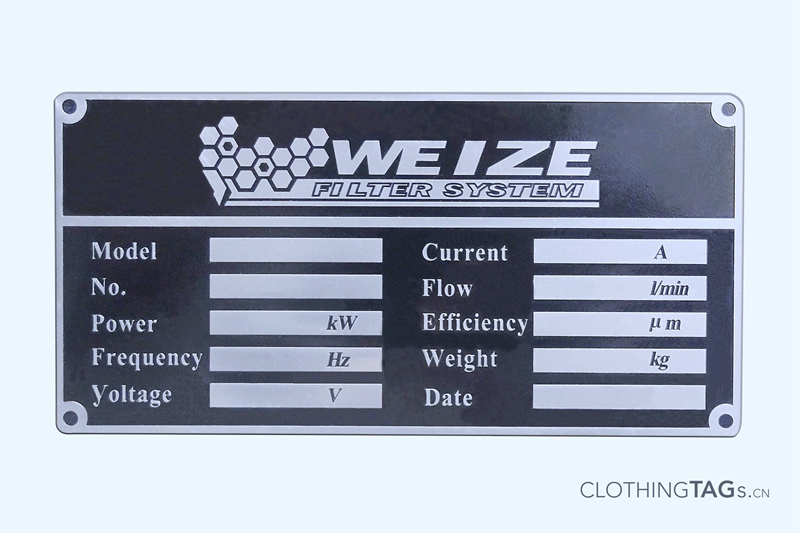
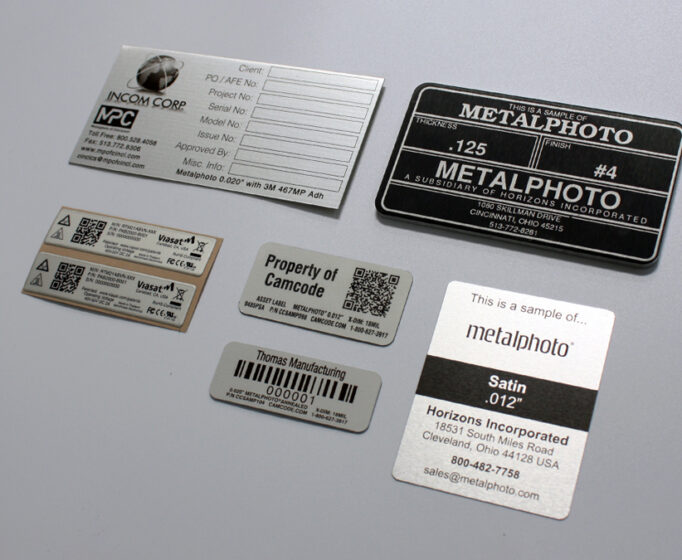
When equipment needs model data, asset IDs, warning text, QR codes, serial numbers, or brand information to stay readable on a working surface, metal labels are usually the safer route than paper, plastic, or thin printed film.
Himgo manufactures custom metal labels for equipment housings, control panels, motors, tools, machinery, and outdoor units. Size, thickness, marking method, finish, and mounting are reviewed before sampling so the label fits the equipment surface and working environment.
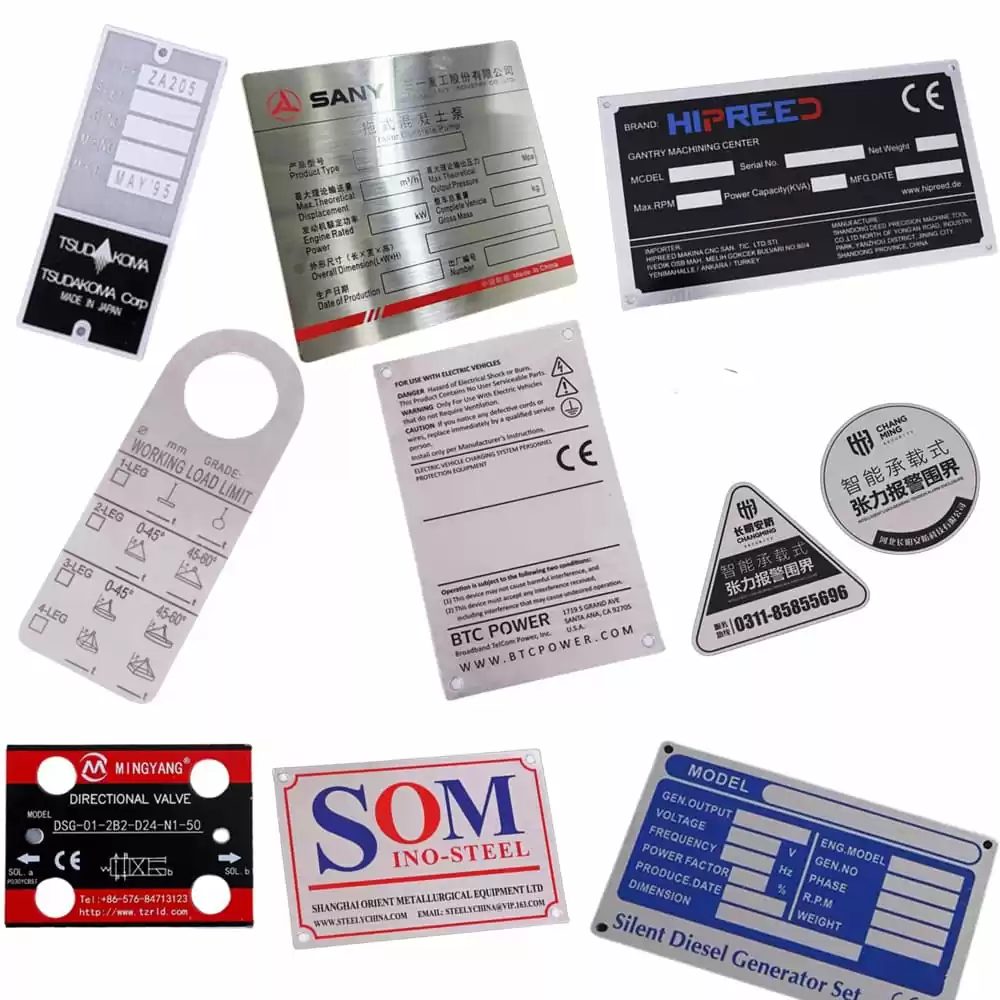
Product Gallery
Use real product images only. Do not use renderings or competitor images.
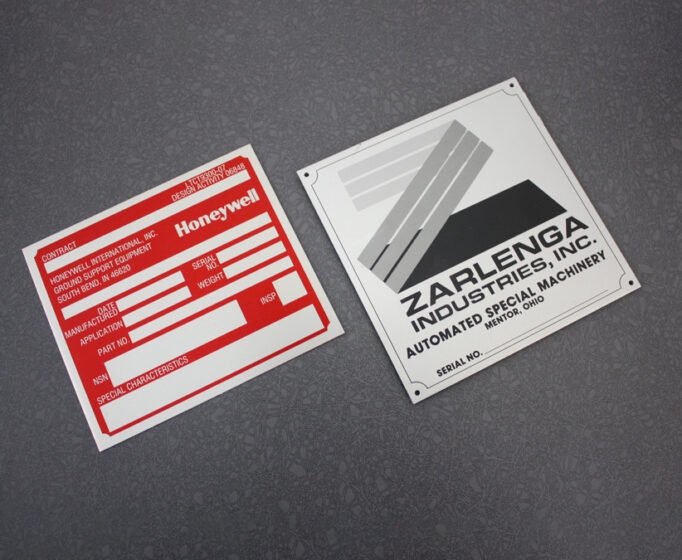
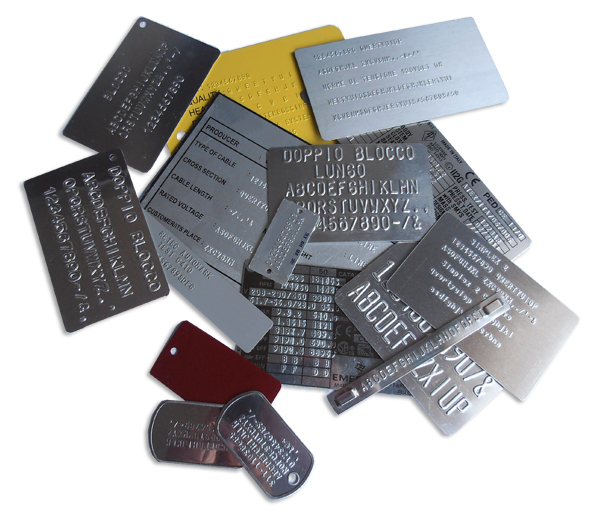
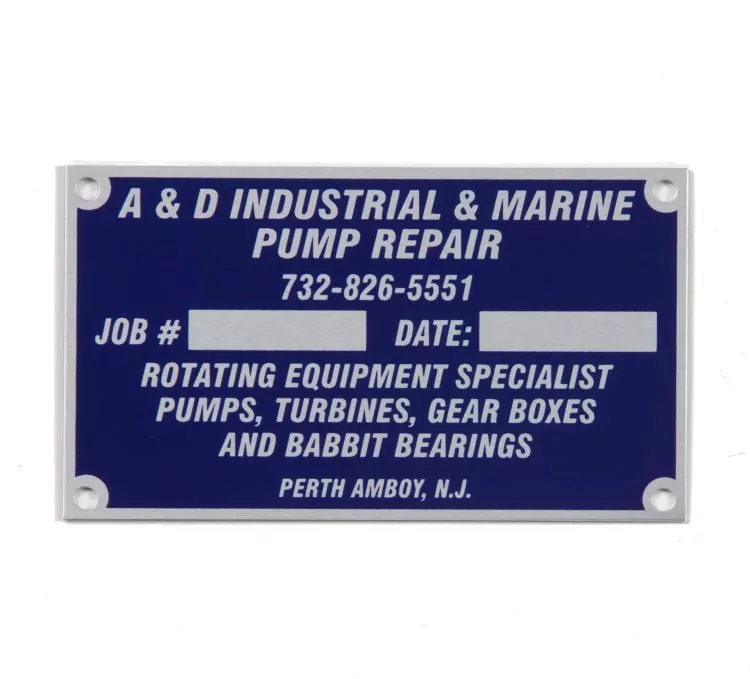
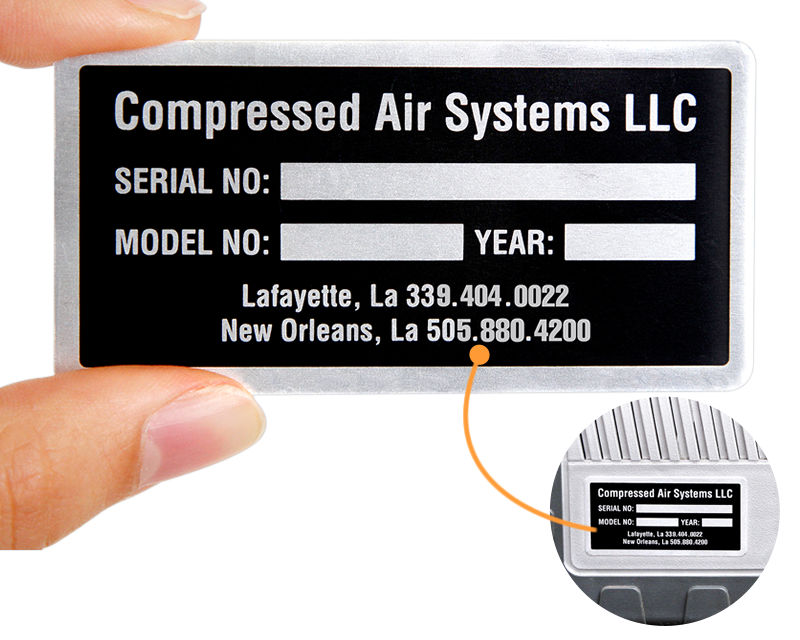
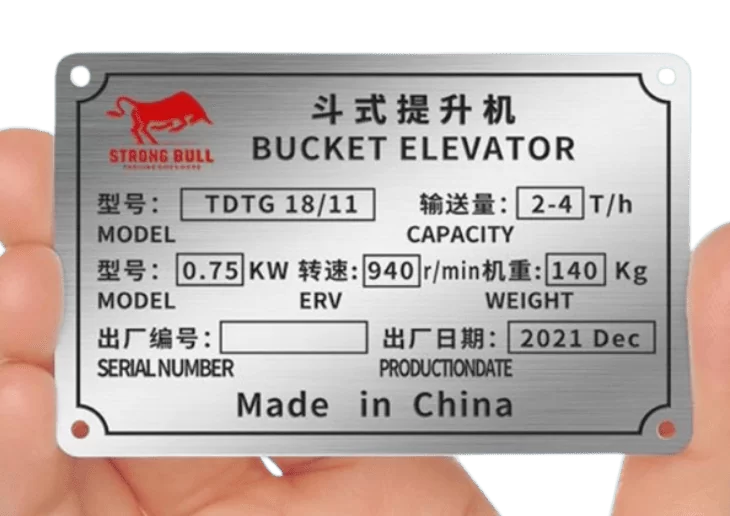
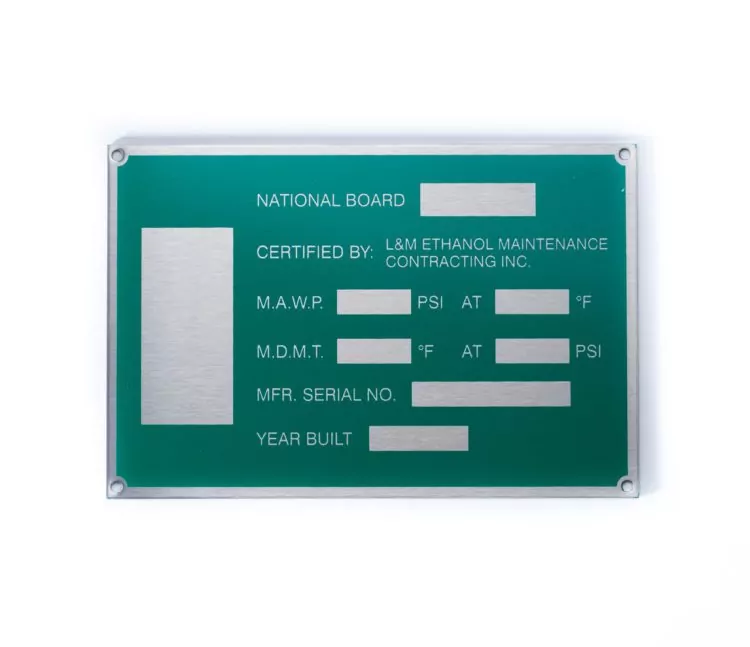
Typical Equipment Label Requirements
| Equipment Label Use | Typical Requirement |
|---|---|
| Model and rating labels | Stable text, clear layout, readable product data |
| Asset and serial number labels | Unique serial numbers, QR codes, barcodes, batch control |
| Warning and safety labels | High contrast, abrasion resistance, fixed mounting |
| Control panel labels | Accurate hole position, clean edge, readable markings |
| Outdoor equipment labels | Weather-resistant material and secure mounting |
| Replacement equipment labels | Matching size, hole spacing, and existing label position |
Equipment labels are not only nameplates. They often need to survive handling, oil, cleaning, vibration, sunlight, rain, or repeated maintenance contact. The first review point is not appearance. It is whether the label information will stay readable after the equipment is installed and used.
Choose / Reconsider
- The label carries model data, ratings, serial numbers, QR codes, warnings, or asset information.
- The equipment surface needs a fixed metal label instead of paper, plastic, or printed film.
- The label must handle cleaning, handling, abrasion, oil, outdoor exposure, or vibration.
- Mounting needs to be reviewed by surface type, hole pattern, adhesive, or rivet position.
- Repeat orders must keep the same size, layout, material, and marking quality.
Equipment Label Route Comparison
| Route | Use When |
|---|---|
| Metal Labels for Equipment | The label is mounted on equipment and must carry readable product, safety, asset, or service data |
| Industrial Metal Labels | The main concern is industrial exposure, abrasion, oil, chemicals, or outdoor durability |
| Engraved Metal Labels | The marking method is the main requirement, especially serial numbers, QR codes, or long-term readability |
| Metal Label Stickers | The part must be thin, adhesive-backed, and lighter than a rigid plate |
| Custom Metal Nameplates | The project needs a broader fixed metal nameplate route for technical or brand information |
Quick Specs
| Item | Himgo Range / Support |
|---|---|
| Manufacturer type | Direct custom metal parts manufacturer |
| Product route | Equipment-mounted metal labels |
| Common materials | Aluminum 5052 / 6061, stainless steel 304 / 316 |
| Selective materials | Brass, copper when appearance or legacy equipment style requires it |
| Thickness | 0.3-3 mm |
| Minimum size | about 10 mm |
| Maximum size | about 600 mm |
| Standard dimensional tolerance | +/-0.10 mm |
| Marking options | laser engraving, chemical etching, printing, color fill, serial numbers, QR codes, barcodes |
| Mounting options | adhesive backing, screw holes, rivet holes, slot holes, custom hole patterns |
| Adhesive thickness | 0.5-1.1 mm when adhesive backing is used |
| Sample lead time | 5-7 business days |
| Mass production lead time | 12-30 days |
| MOQ | about 100-500 pcs depending on route and complexity |
| Monthly capacity | 500,000+ pcs where relevant |
| Engineering support | 12-person team for artwork, material, finish, mounting, and production review |
Common Sizes and Thickness
| Reference Size | Common Equipment Use | Common Thickness Direction |
|---|---|---|
| 13 x 5 mm | Small serial, asset, or tool labels | 0.3-0.8 mm |
| 25 x 10 mm | Compact model labels, QR labels, small equipment IDs | 0.3-1.0 mm |
| 50 x 20 mm | Standard equipment rating labels and data labels | 0.5-1.5 mm |
| 75 x 30 mm | Machinery ID labels, warning labels, control panel labels | 0.8-2.0 mm |
| 100 x 50 mm | Larger equipment specification or instruction plates | 1.0-3.0 mm |
Final size should be checked against text height, QR scan distance, hole spacing, edge distance, and the available flat area on the equipment.
Material Options for Equipment Labels
| Material | Typical Fit | Practical Use Direction |
|---|---|---|
| Aluminum 5052 / 6061 | Equipment housings, panels, tools, indoor and general outdoor equipment | Lighter cost-effective route; works well with brushing, printing, and anodizing |
| Stainless Steel 304 | Industrial equipment, motors, control boxes, machinery panels | Better when strength, abrasion resistance, and corrosion resistance matter more than weight |
| Stainless Steel 316 | Chemical, marine, wet, or salt-exposure equipment | Use when exposure justifies the higher material cost |
| Brass | Legacy equipment, decorative technical plates, warmer appearance | Not the first route for harsh equipment labels unless appearance is required |
| Copper | Selective equipment or electrical-style identification | Use only when the color or application makes sense |
Surface Finish and Marking Options
| Option | Suitable For |
|---|---|
| Laser engraving | Serial numbers, QR codes, barcodes, variable data, small text |
| Chemical etching | Fixed text, diagrams, warning layouts, durable recessed marking |
| Printing | Color blocks, logos, warning colors, rating information |
| Color fill | Higher contrast on etched or engraved layouts |
| Brushed finish | Clean metal appearance with practical readability |
| Anodized aluminum | Aluminum labels that need stable surface color and contrast |
| Polished finish | Selective equipment labels where appearance matters |
| Protective film | Finished surfaces that need scratch protection before assembly |
Confirmed process references:
| Process | Himgo Capability |
|---|---|
| Laser engraving line width | 0.10-0.20 mm |
| Laser marking depth | 0.01-0.05 mm |
| Chemical etching line width, aluminum | 0.25 mm |
| Chemical etching line width, stainless steel | 0.30 mm |
| Etching depth | 0.02-0.15 mm |
Mounting and Structure Options
Mounting should be reviewed before sampling. It affects thickness, hole position, edge distance, adhesive choice, label weight, and long-term fit.
| Mounting / Structure | Use When | Review Before Sampling |
|---|---|---|
| Adhesive backing | Smooth painted, powder-coated, plastic, or finished metal surfaces | Surface condition, label size, label weight, temperature, cleaning exposure |
| Screw holes | Equipment panels, removable covers, serviceable parts | Hole diameter, hole spacing, edge distance, screw head clearance |
| Rivet holes | Heavy equipment, outdoor machinery, vibration-prone surfaces | Permanent fixing, panel access, hole accuracy, edge strength |
| Slot holes | Existing equipment fixtures or adjustable mounting | Slot length, load direction, installation tolerance |
| Rounded corners | Operator contact areas, handheld tools, exposed edges | Corner radius, deburring, edge finish |
| Custom shape | Limited mounting area or equipment-specific outline | Drawing, flat area, bend or edge clearance |
Price Reference and Cost Factors
Pricing depends on material, size, thickness, marking method, finish, mounting, tooling, and order quantity. The ranges below are reference ranges for common equipment metal label configurations, not fixed quotes.
| Reference Size | Common Configuration | Reference Unit Price | MOQ Reference |
|---|---|---|---|
| 13 x 5 mm | Small laser-marked or printed aluminum equipment label | $0.12-$0.45 / pc | about 500+ pcs |
| 25 x 10 mm | Brushed or printed aluminum equipment label | $0.18-$0.65 / pc | about 300+ pcs |
| 50 x 20 mm | Brushed, printed, or clear anodized equipment label | $0.28-$1.10 / pc | about 300+ pcs |
| 75 x 30 mm | Anodized or etched equipment label | $0.45-$1.55 / pc | about 300+ pcs |
| 100 x 50 mm | Larger anodized or etched equipment label | $0.70-$2.20 / pc | about 300+ pcs |
What May Increase Cost
- Stainless steel 304 / 316 instead of aluminum
- Thicker plate structure
- Chemical etching, engraving, QR codes, barcodes, or serialized data
- Custom holes, rivet holes, slots, or tighter hole-position control
- Higher contrast finish, color fill, or multi-process marking
- Protective film, separated packing, or strict batch sorting
What May Reduce Cost
- Standard aluminum material
- Flat rectangular shape
- Standard brushed, printed, or anodized finish
- Shared artwork across repeat batches
- Larger repeat order quantity
- Stable size, hole pattern, and data format
Engineering and Quality Control
Before Sampling
- Review drawing, artwork, text height, QR code, serial number format, and barcode format.
- Confirm material, thickness, finish, and marking method.
- Check equipment surface, hole pattern, adhesive requirement, and edge clearance.
- Confirm whether the label should be adhesive-backed, screw-mounted, riveted, or custom-shaped.
During Sample Review
- Check text readability and code scan performance.
- Check hole position, edge quality, corner radius, and burr control.
- Check surface finish, color, printed areas, engraving depth, or etched contrast.
- Check adhesive backing fit when adhesive mounting is used.
Before Mass Production
- Confirm approved sample, batch quantity, packaging method, and any variable data list.
- Run first-piece inspection before full production.
- Control marking consistency, material consistency, size tolerance, and mounting accuracy.
- Pack labels to reduce scratches, mixing, or adhesive contamination.
Related Case Studies
| Case Study | Why It Matters |
|---|---|
| Engraved Equipment Plate Case for Long-Term Readability | Relevant when equipment labels need stable marking over repeated use |
| QR Code Metal Label Case for Asset Tracking Systems | Relevant when equipment labels carry QR codes, serial numbers, or asset tracking data |
| Riveted Stainless Steel Plate Case for Heavy Equipment Identification | Relevant when the equipment label needs mechanical fixing instead of adhesive only |
| Aluminum Rating Plate Case for Export Equipment Compliance | Relevant when the label carries model data, rating data, or compliance information |
FAQ About Metal Labels for Equipment
What are metal labels for equipment used for?
They are used for model data, rating information, serial numbers, QR codes, warning text, asset IDs, and service information on equipment surfaces. The main requirement is readable information after installation, handling, cleaning, and maintenance.
Which material should I choose for equipment labels?
Aluminum is often the first route for general equipment labels because it is light, practical, and works well with brushing, anodizing, printing, and engraving. Stainless steel is better for harsher equipment surfaces, outdoor use, oil exposure, abrasion, or washdown conditions.
Can equipment labels include QR codes, barcodes, and serial numbers?
Yes. Himgo supports laser engraving, printing, and other marking routes for serial numbers, QR codes, barcodes, and variable data. For code labels, the artwork should be reviewed for scan size, contrast, data format, and final reading distance.
Can these labels use adhesive backing?
Yes, adhesive backing can be used when the equipment surface is smooth and suitable. Surface material, paint or powder coating, temperature, cleaning exposure, label size, and label weight should be checked before sampling.
When should I use screws or rivets instead of adhesive?
Use screws or rivets when the equipment surface is rough, oily, exposed outdoors, vibration-prone, or handled heavily. Mechanical mounting is also safer when the label must stay fixed for service, inspection, or compliance use.
How much do metal labels for equipment cost?
Common aluminum equipment labels may range from about $0.12-$2.20 / pc depending on size, finish, marking, mounting, and quantity. Stainless steel, thicker plates, QR codes, serialized data, custom holes, and stricter packaging can increase cost.
What is the MOQ for equipment metal labels?
Himgo typically supports about 100-500 pcs depending on product route and complexity. Small batches can be reviewed for sampling or project start, while repeat batches usually get better unit pricing when artwork, size, and process stay stable.
If equipment metal labels fit your project, the next step is to confirm size, material, thickness, marking method, mounting, quantity, and working environment.
Send a drawing, artwork, sample photo, or equipment surface photo. Himgo can review the label route before quotation or sample production.