Metal Labels for Industrial Use
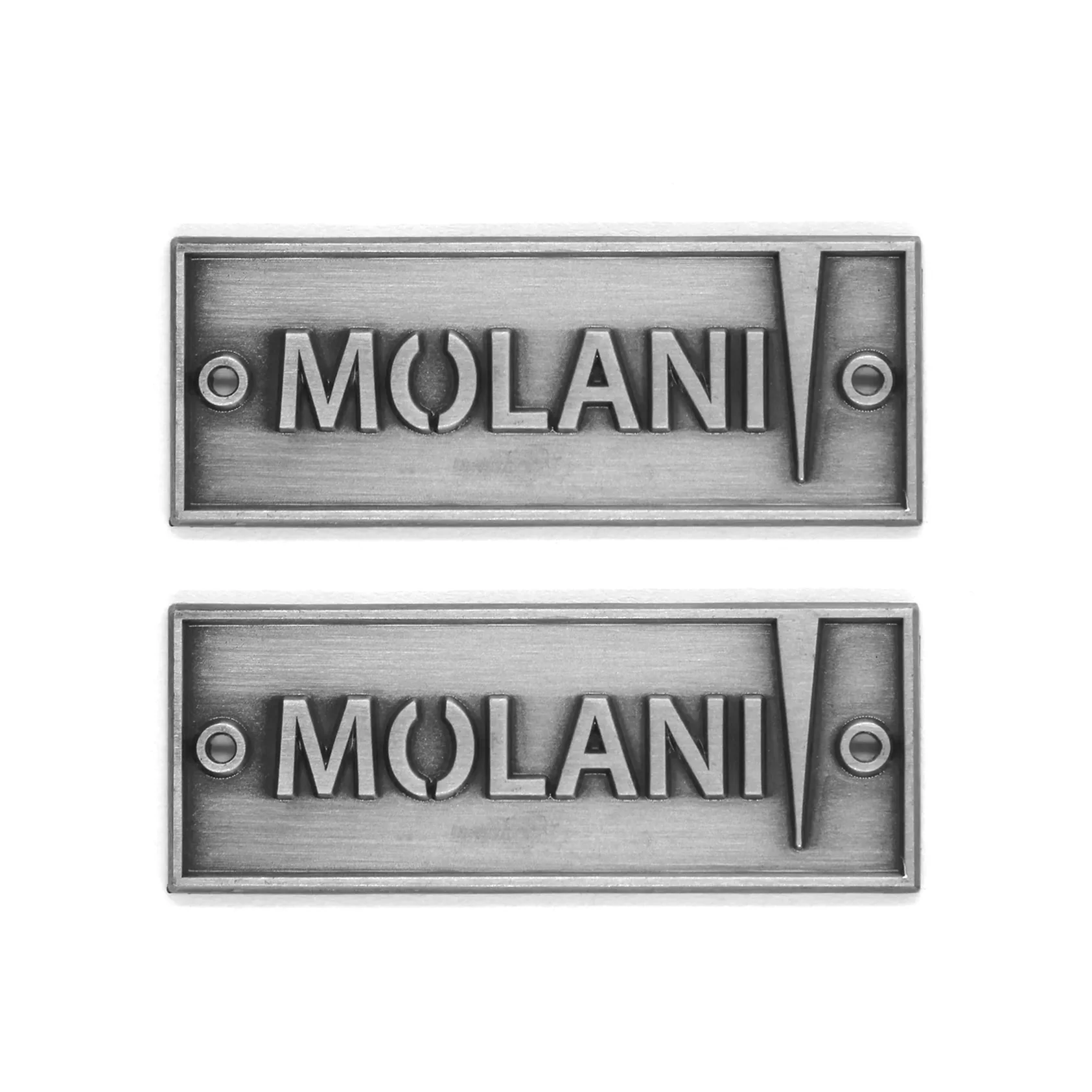
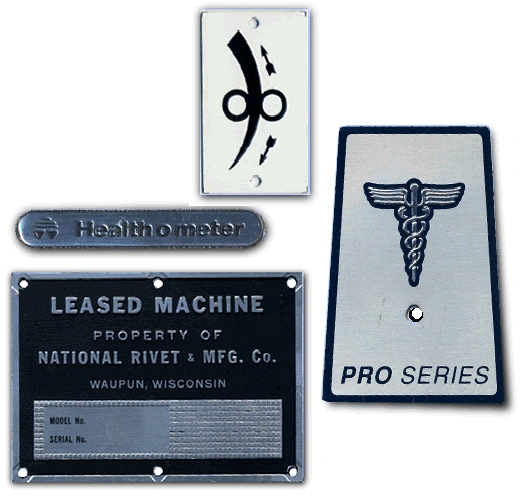
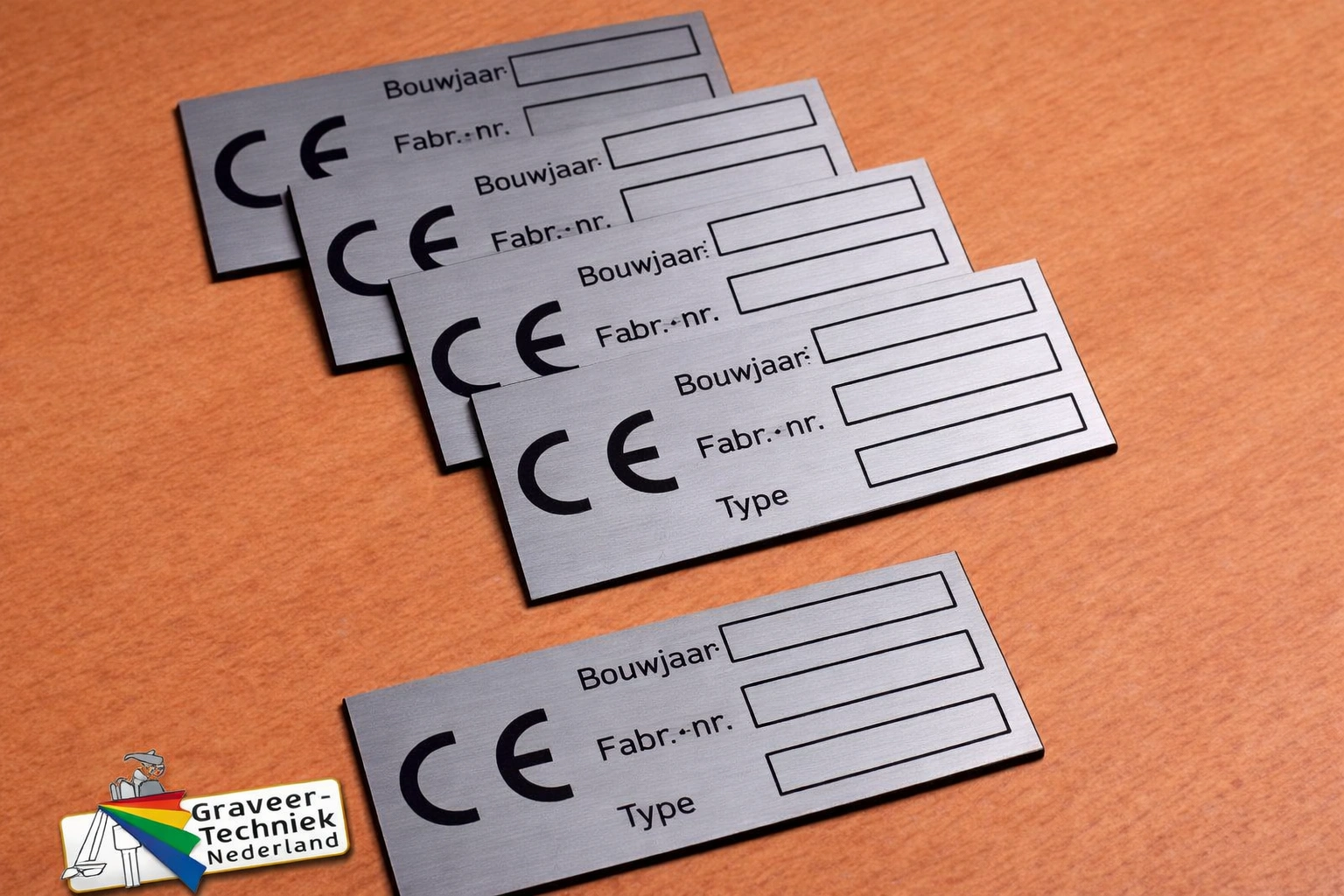
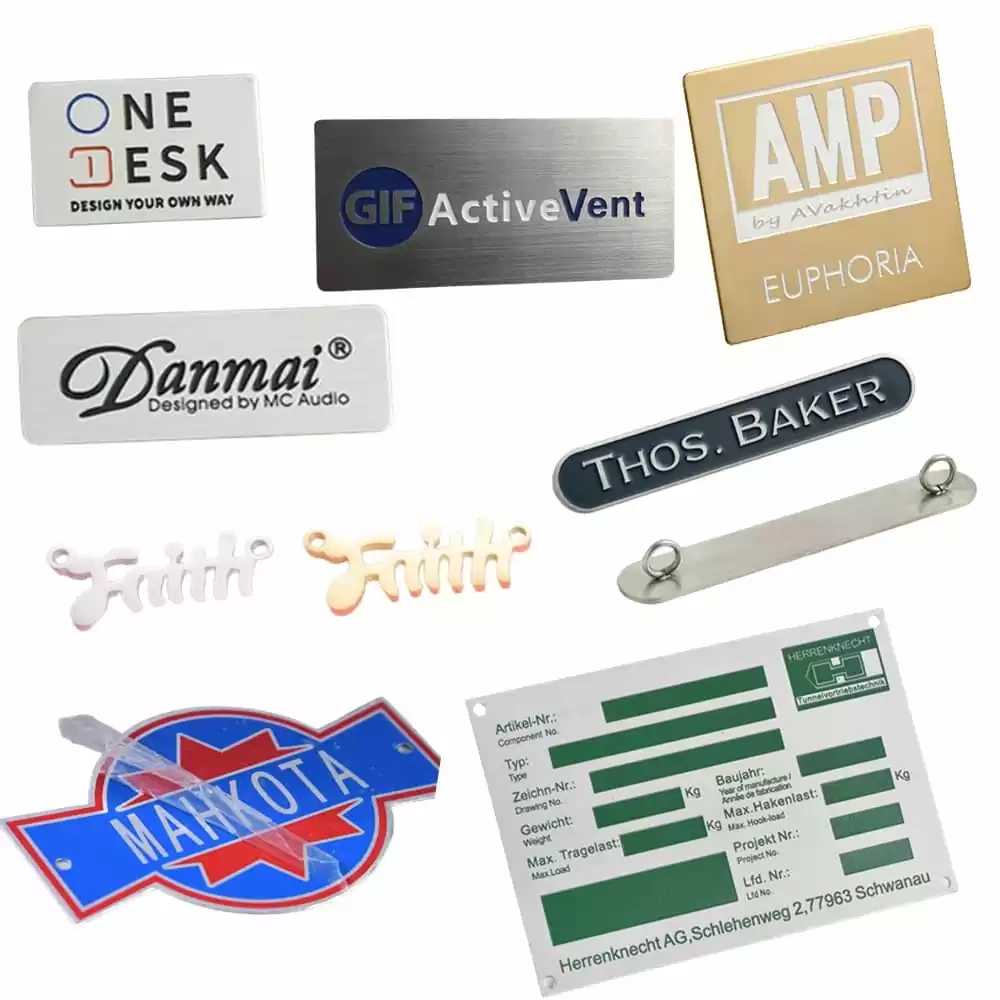
Industrial metal labels are used when product information, equipment identification, or safety-related markings need to stay readable under handling, abrasion, cleaning, outdoor exposure, or repeated use.
Himgo manufactures custom industrial metal labels based on customer drawings, artwork, specifications, and application requirements. Material, marking method, finish, mounting, and production route are reviewed before sampling.
Common Industrial Uses
| Application | Typical Label Requirement |
|---|---|
| Machinery labels | Model, serial number, safety, or operating information |
| Equipment panels | Durable identification attached to metal or plastic surfaces |
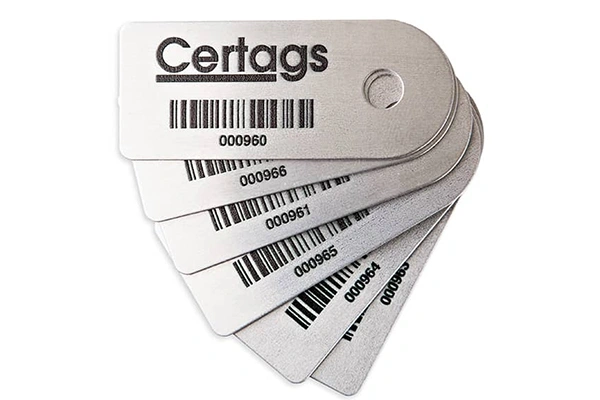
| Asset tags | Tracking numbers, QR codes, or inventory data |
| Control boxes | Clear labels for switches, ports, or warning areas |
| Outdoor equipment | Labels that need better resistance to exposure and handling |
| Industrial products | Product information that should remain readable after installation |
When to Choose Industrial Metal Labels
| Choose This Route When | Consider Another Route When |
|---|---|
| the label will be used on equipment, machinery, or industrial products | the project is mainly decorative branding |
| readability matters over long-term use | the label only needs short-term display |
| the label may face abrasion, cleaning, or outdoor exposure | full-color graphics are the main requirement |
| serial numbers, QR codes, or fixed technical data are needed | the surface must stay very thin and flexible |
| repeat production consistency matters | the project is a small retail sticker order |
What Industrial Labels Need to Withstand
Industrial labels are usually judged by function first.
Key requirements often include:
- readable text
- stable marking
- suitable material
- secure mounting
- surface finish consistency
- resistance to handling or exposure
- repeatable production for future orders
This is why industrial labels should be reviewed by application, not only by appearance.
Material Direction
| Material | Best Fit |
|---|---|
| Aluminum | Lightweight labels, product panels, branded industrial labels, general equipment use |
| Stainless Steel 304 | Industrial equipment, machinery, abrasion-prone use, stronger durability requirements |
| Stainless Steel 316 | Outdoor, marine, chemical-contact, or higher corrosion-risk environments |
| Brass | Decorative industrial plates or brand labels where warm metal appearance matters |
For most industrial identification projects, aluminum and stainless steel are the main routes. Stainless steel is usually preferred when exposure, abrasion, or corrosion resistance matters more than weight.
Marking Method Direction
| Marking Route | Best Fit | Key Difference |
|---|---|---|
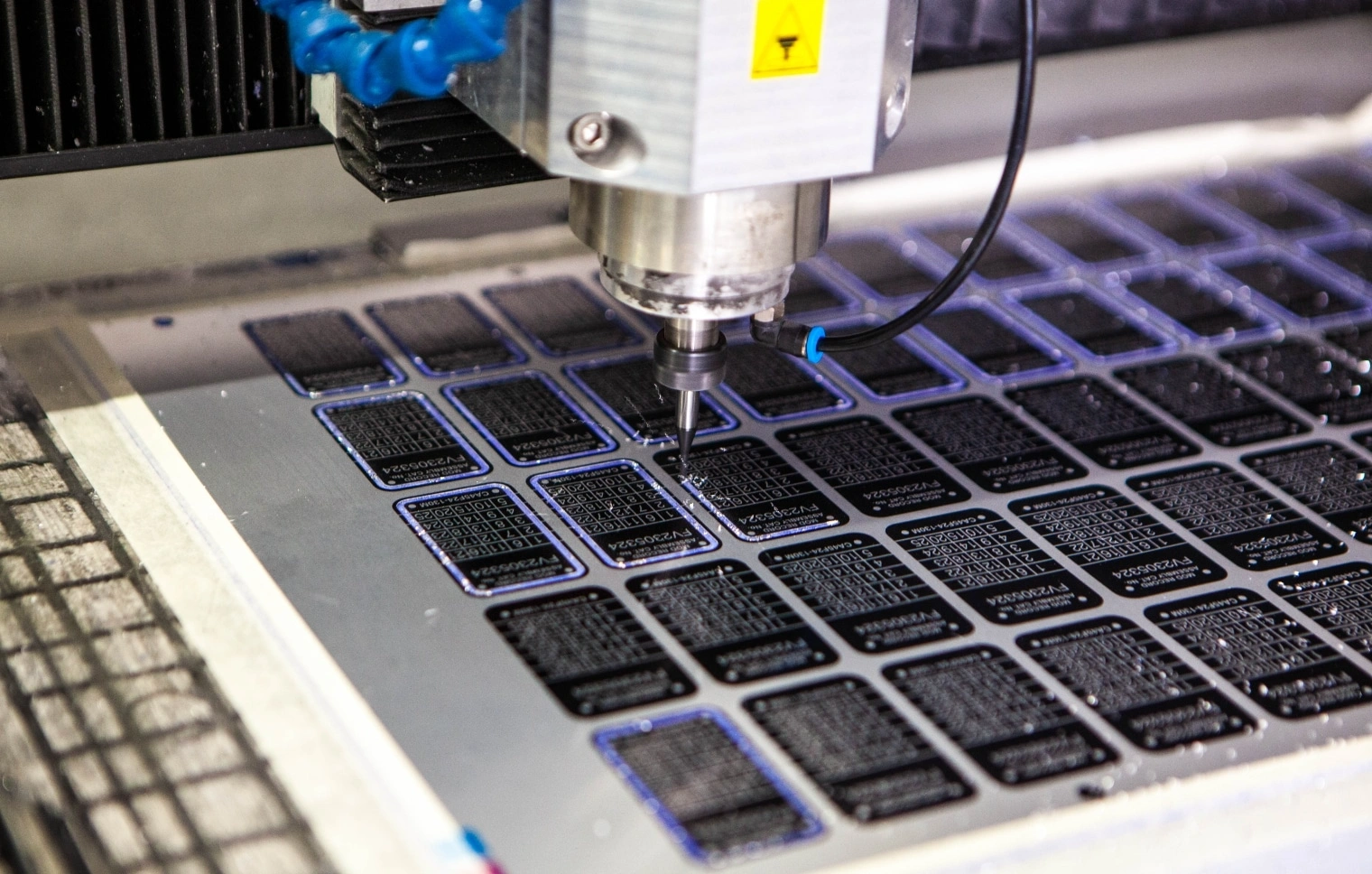
| Chemical etching | Fixed text, logos, warning information, durable batch labels | Deeper marking route for retained readability |
| Laser engraving | Serial numbers, QR codes, barcodes, variable data | Flexible for changing data and fine marking |
| Screen printing | Color graphics or less demanding environments | Surface-applied marking |
| Metal stamping | Simple shapes or formed label structures | Better for shape and forming than detailed marking |
For industrial labels, the choice is usually between chemical etching and laser engraving. The right route depends on whether the project needs fixed long-term markings or variable data.
Capability Snapshot
| Capability Item | Himgo Reference |
|---|---|
| Chemical etching minimum line width on aluminum | 0.25 mm |
| Chemical etching minimum line width on stainless steel | 0.30 mm |
| Chemical etching depth | 0.02-0.15 mm |
| Chemical etching tolerance | +/-0.05-0.10 mm |
| Laser engraving minimum line width | 0.10-0.20 mm |
| Laser marking depth | 0.01-0.05 mm |
| Variable data support | serial numbers, QR codes, barcodes by laser engraving |
These references help check whether the required text, logo, code, or technical information can be produced clearly before sampling.
Mounting Options
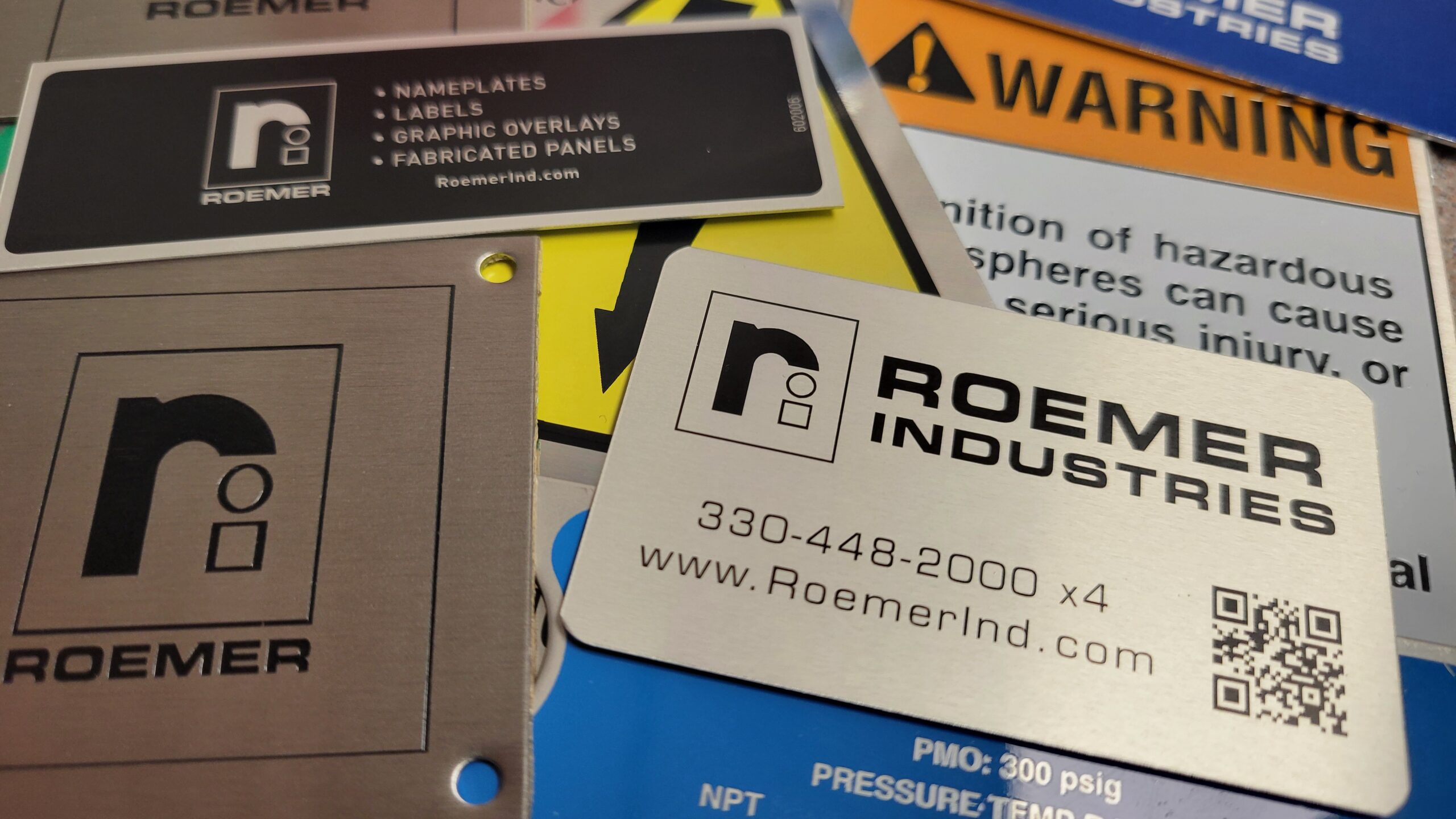
Industrial metal labels may use:
- adhesive backing
- mounting holes
- screw mounting
- rivet mounting
- rounded corners
- custom shapes
Mounting should match the application surface. A label used on a flat machine panel may use adhesive backing, while a label used in a harsher equipment environment may require mechanical fastening.
What Himgo Reviews Before Sampling
| Review Point | Why It Matters |
|---|---|
| Application environment | Confirms material and marking direction |
| Label size and thickness | Affects fit, handling, and installation |
| Text and artwork detail | Confirms readability before production |
| Material requirement | Affects durability, finish, and cost |
| Marking method | Determines retention, detail, and data flexibility |
| Mounting method | Confirms adhesive, holes, screws, or rivets |
| Quantity and repeat orders | Helps align sampling with production planning |
Production Support
| Stage | Himgo Support |
|---|---|
| Requirement review | Check drawings, label size, text, material, finish, and mounting needs |
| Material and process evaluation | Confirm whether aluminum, stainless steel, etching, or laser engraving fits better |
| Sample production | Produce samples for readability, finish, fit, and mounting review |
| Sample approval | Use the approved sample as the production reference |
| Mass production | Support controlled production based on confirmed requirements |
| Item | Reference |
|---|---|
| Sample lead time | 5-7 business days |
| Mass production lead time | 12-30 days |
| MOQ | 100-500 pcs depending on product complexity |
Actual timing depends on material, label size, marking method, finish, quantity, and approval speed.
Common Applications by Industry
| Industry | Typical Use |
|---|---|
| Industrial equipment | Machine labels, rating plates, warning labels, control panel labels |
| Construction machinery | Durable identification for equipment exposed to handling or outdoor use |
| Automotive and components | Part labels, tracking tags, small metal identification plates |
| Outdoor tools and equipment | Labels requiring better marking retention |
| Consumer electronics manufacturing | Durable specification or product identification labels |
Related Product Paths
| If You Need | Consider |
|---|---|
| broader metal label options | Custom Metal Labels |
| engraved marking as the main route | Engraved Metal Labels |
| labels specifically for equipment | Metal Labels for Equipment |
| thin adhesive label-sticker route | Metal Label Stickers |
| durable nameplate-style identification | Custom Metal Nameplates |
FAQ
What are industrial metal labels used for?
They are used for equipment identification, product information, serial numbers, QR codes, warning labels, and durable marking on industrial products.
Which material is better for industrial labels?
Aluminum works well for lightweight and general equipment use. Stainless steel is better when abrasion, corrosion resistance, or harsher environments matter.
Are industrial metal labels usually engraved?
Many are engraved, etched, or laser marked. The right method depends on whether the project needs fixed markings, variable data, or color graphics.
Can industrial metal labels include QR codes or serial numbers?
Yes. Laser engraving is usually the better route for variable data such as QR codes, barcodes, and serial numbers.
Should we request a sample before production?
Yes, especially when readability, adhesive fit, mounting, material, or batch consistency matters.
Request a Quote or Sample
Send your drawing, artwork, label size, material preference, marking details, mounting requirement, application environment, and expected quantity. Himgo can review the project from the manufacturing side and confirm the suitable material and marking route.