Natural Character with Time-Dependent Expectations
Copper and brass are often chosen for their distinctive visual character and material authenticity. They convey warmth, heritage, and a tactile quality that many other metals cannot replicate.
At Himgo, copper and brass are treated as intentional design materials, not default options. Their appearance is defined not only at production, but also by how they change over time.
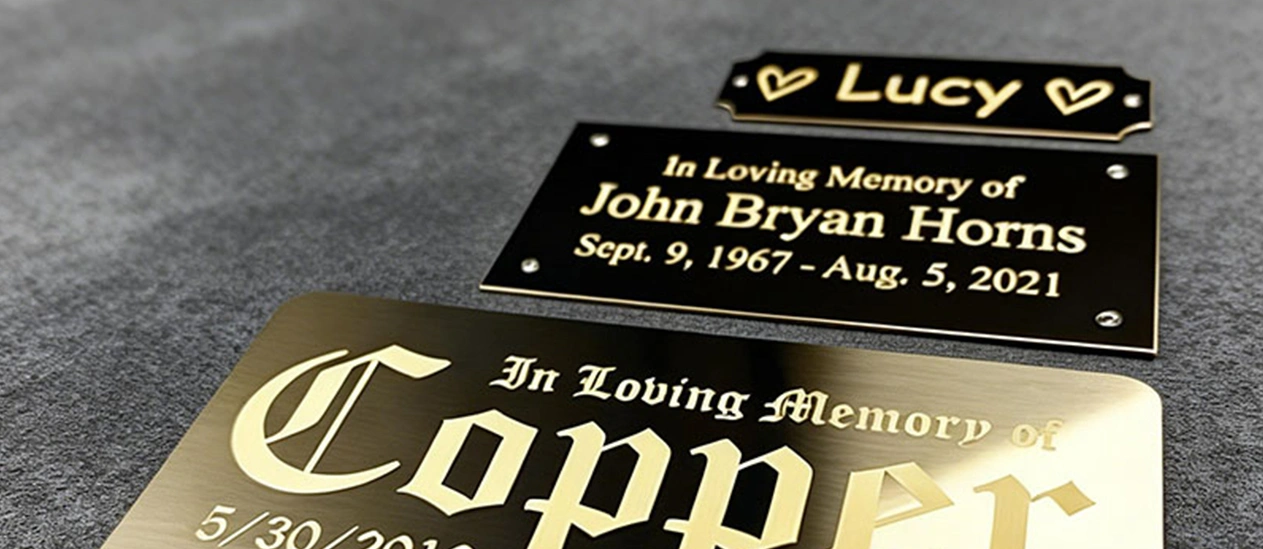
When Copper & Brass Make Sense
Copper and brass are suitable when:
- Material character and visual warmth are priorities
- Natural aging or patina is acceptable — or intentionally desired
- The application environment is controlled or predictable
- The component is decorative or brand-focused rather than purely functional
They are often selected for projects where material presence is part of the design language.
When Copper & Brass May Not Be the Best Choice
Copper and brass may not be ideal when:
- Long-term appearance must remain unchanged
- The environment involves moisture, chemicals, or frequent cleaning
- Strict color consistency is required across time and batches
- Ongoing maintenance or surface protection is not feasible
Without clear expectations, these materials can lead to unintended visual changes after installation.
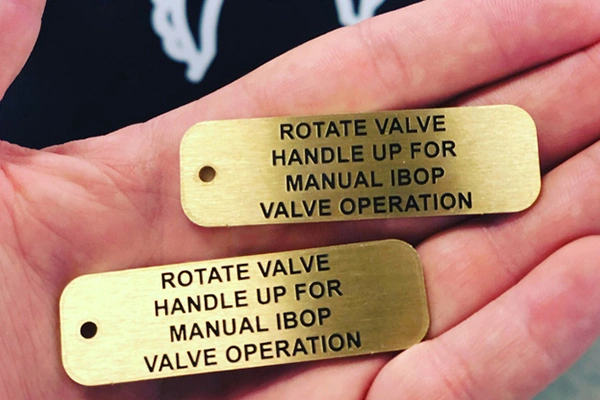
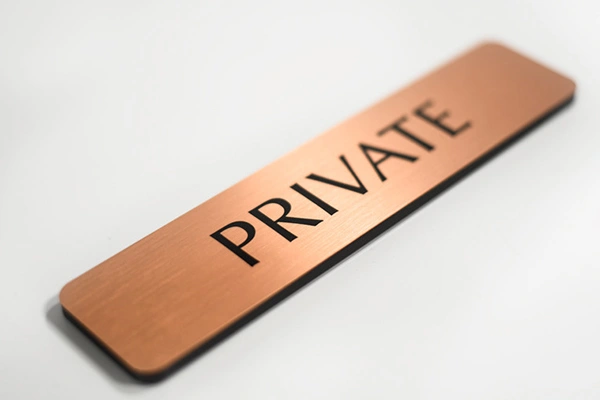
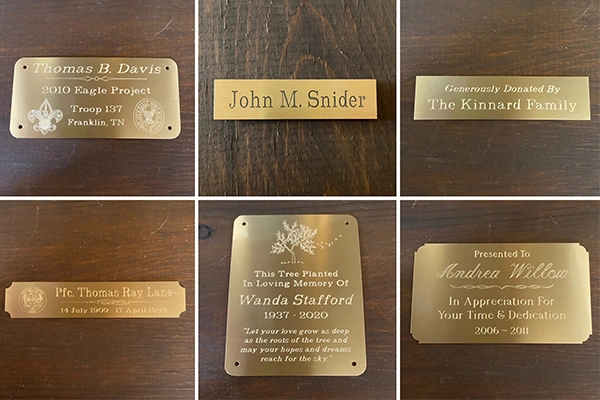
Typical Use Conditions
Copper and brass components are commonly used in:
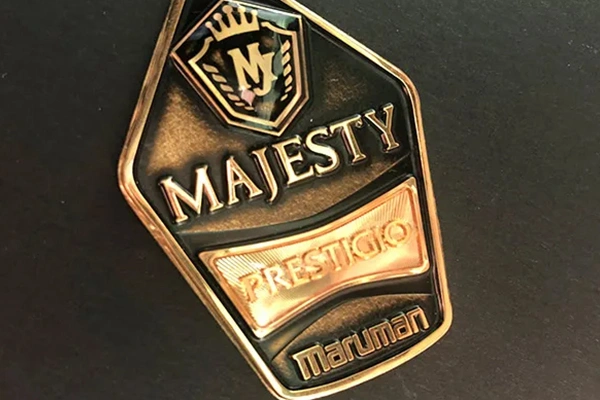
- Decorative nameplates and brand plaques
- Premium product branding elements
- Architectural or interior applications
- Controlled indoor or limited-exposure environments
Understanding exposure, handling, and cleaning conditions is essential before selecting these materials.
Appearance & Time Behavior
Unlike many metals, copper and brass are time-reactive materials.
Typical long-term behavior includes:
- Gradual darkening or oxidation
- Development of natural patina
- Subtle color variation even under similar conditions
Protective finishes can slow these changes, but they rarely eliminate them entirely.
These characteristics are not defects — but they must be anticipated and accepted at the decision stage.
Manufacturing & Consistency Considerations
From a manufacturing perspective, copper and brass require additional attention to manage consistency.
Key considerations include:
- Surface handling and protection during production
- Alignment of finish expectations between samples and production
- Clear acceptance criteria for natural variation
When expectations are clearly defined, copper and brass can support stable and repeatable production for the right applications.
Making the Right Copper & Brass Decision
Copper and brass offer unique visual qualities, but they require informed expectations.
Our role is to help you determine whether their natural behavior aligns with your design intent, usage conditions, and long-term project goals — before manufacturing begins.
Common Questions
Do copper and brass always change color over time?
Yes.
Color change is a natural characteristic of these materials, influenced by environment, handling, and surface treatment.
Can finishes prevent oxidation completely?
Finishes can reduce or slow oxidation, but they rarely eliminate it entirely.
This should be considered part of the material’s long-term behavior.
Are copper and brass suitable for outdoor use?
They can be, but only when appearance change is acceptable and environmental exposure is well understood.
Are these materials recommended for projects requiring strict consistency?
In most cases, no.
If strict long-term visual consistency is required, alternative materials may be more suitable.
Let’s Review Your Application
If you are considering copper or brass for a custom metal identification or branding component and want to understand the long-term implications, we are ready to support your decision.