Himgo delivers high-quality, cost-effective metal nameplates for you.

How to Choose the Right Material for Long-Term Use
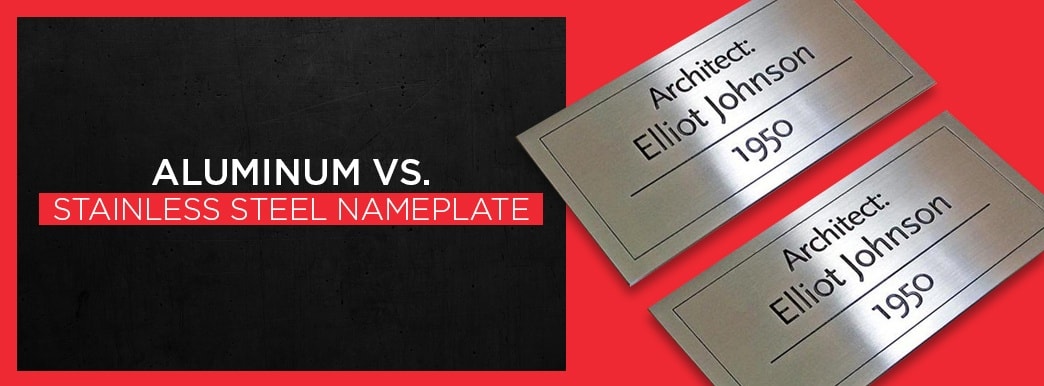
When choosing metal nameplates, aluminum and stainless steel are two of the most commonly considered materials.
They may look similar at first glance, but they behave very differently over time.
This guide is written to help you understand when aluminum makes sense, when stainless steel is the safer choice, and how to avoid common material selection mistakes—especially for long-term or repeat production projects.
Quick Answer: Aluminum or Stainless Steel?
If you need a short answer:
Aluminum works well when weight, flexibility, and appearance options matter
Stainless steel is often chosen when stability, durability, and long-term consistency are the priority
The right choice depends less on the material itself and more on how and where the nameplate will be used.
Understanding the Real Difference Between Aluminum and Stainless Steel
At the sample stage, both materials can look clean, precise, and professional.
The differences usually appear after installation and extended use.
| Consideration | Aluminum | Stainless Steel |
|---|---|---|
| Weight | Lightweight | Heavier |
| Appearance flexibility | High | Limited but stable |
| Long-term visual change | Possible, finish-dependent | Minimal |
| Environmental resistance | Moderate | High |
| Repeat production consistency | Good with control | Very strong |
This comparison highlights why the same design can perform very differently depending on material choice.
When Aluminum Nameplates Make Sense
Aluminum is often a good option when:
Weight reduction is important
A wide range of finishes or colors is required
The application environment is controlled or semi-controlled
The nameplate is part of a consumer product or interior application
Aluminum offers flexibility, but that flexibility requires clear expectations—especially regarding finishes and long-term appearance.
👉 Learn more about aluminum selection here:
Aluminum & Aluminum Alloys →
When Stainless Steel Nameplates Are the Better Choice
Stainless steel is typically preferred when:
Long-term durability is critical
The environment involves moisture, heat, or frequent cleaning
Appearance consistency over time matters more than finish variety
The nameplate is used for industrial, equipment, or compliance purposes
Stainless steel is chosen not because it is decorative, but because it is predictable.
Appearance Over Time: What Many Projects Overlook
One of the most common issues in nameplate projects is expecting long-term performance based on short-term samples.
Some aluminum finishes may gradually change under UV or cleaning exposure
Stainless steel typically maintains a consistent appearance under similar conditions
The environment often matters more than the material itself
Understanding this early helps avoid mismatched expectations later.
Production Consistency and Repeat Orders
Material choice also affects how consistently results can be reproduced:
Aluminum requires tighter control of surface handling and finish processes
Stainless steel generally supports stable results across repeat orders
For long-term programs or products with ongoing production cycles, this difference can be significant.
Common Questions
Is aluminum less durable than stainless steel?
Not necessarily.
Aluminum can perform well in many applications, but its durability depends more on finish selection and environment.
Which material is better for outdoor use?
Stainless steel is often the safer option for outdoor or harsh environments, though aluminum can work with proper surface treatment and controlled exposure.
Does stainless steel always cost more?
Material cost varies by specification and application.
Cost should be evaluated alongside lifespan, maintenance, and consistency—not in isolation.
Can both materials be used for the same design?
Yes, but results may differ over time.
Material selection should be reviewed alongside use conditions and performance expectations.
Making the Right Choice
There is no universally “better” material—only a better fit for a specific application.
Choosing between aluminum and stainless steel is ultimately a decision about:
Environment
Lifespan
Appearance expectations
Long-term production stability
Our role is to help clarify these trade-offs before production begins.
Need Help Confirming Your Material Choice?
If you’re deciding between aluminum and stainless steel for a custom metal nameplate project, we can help review your application and identify potential risks early.
Next Steps